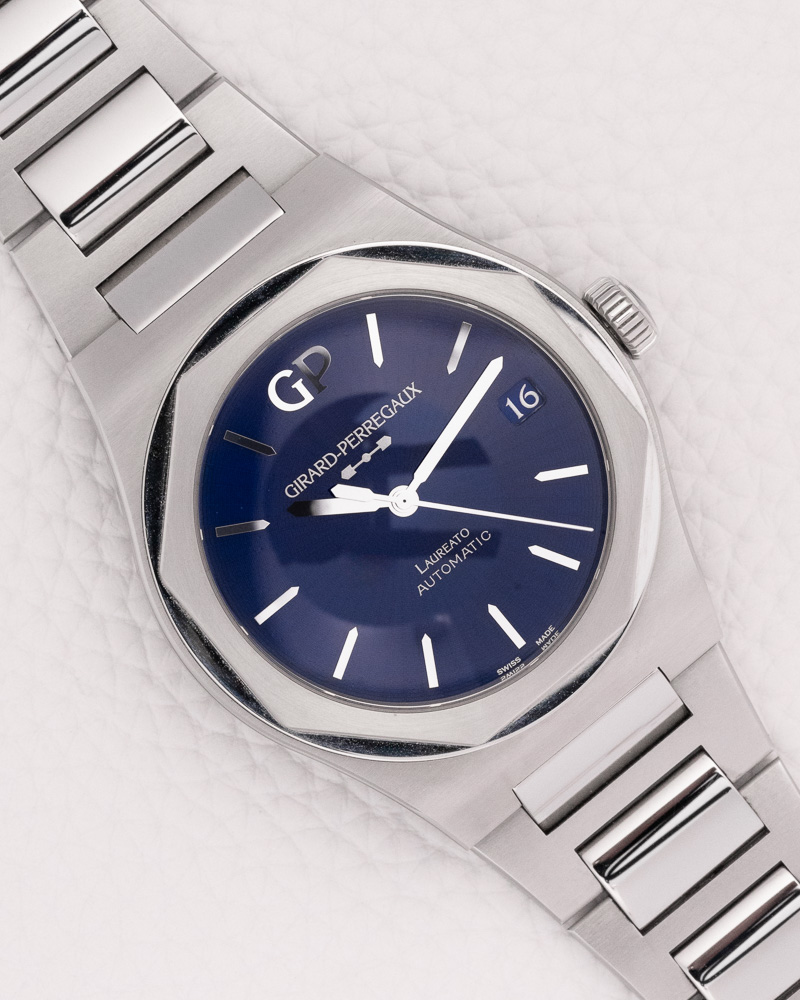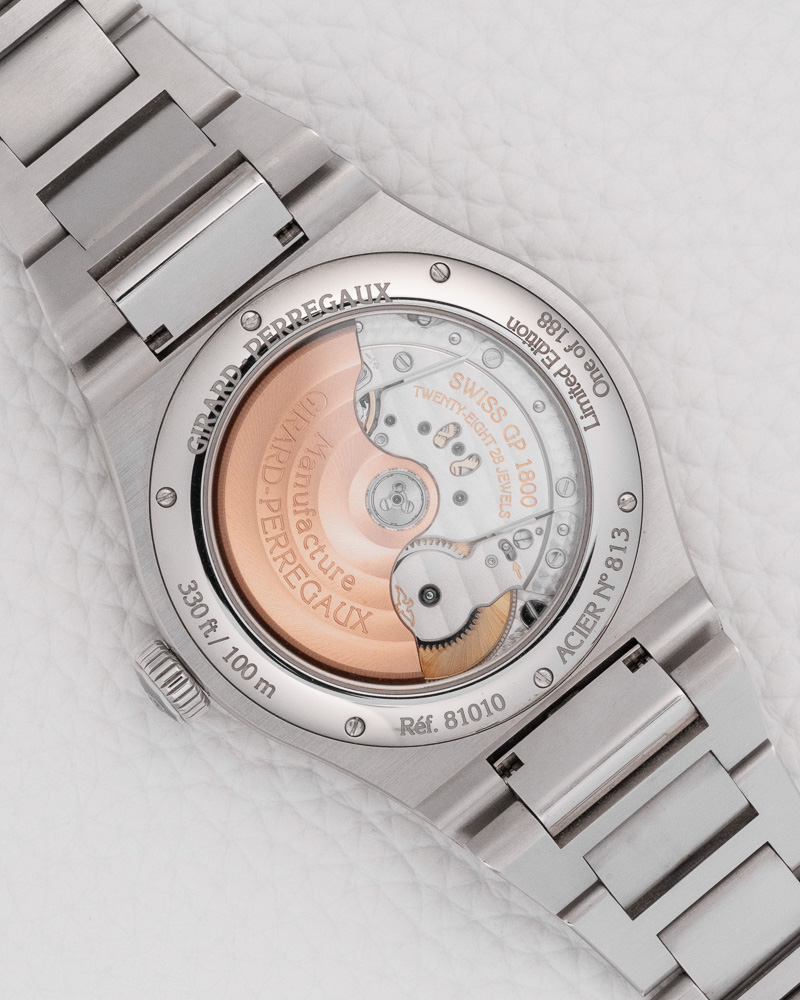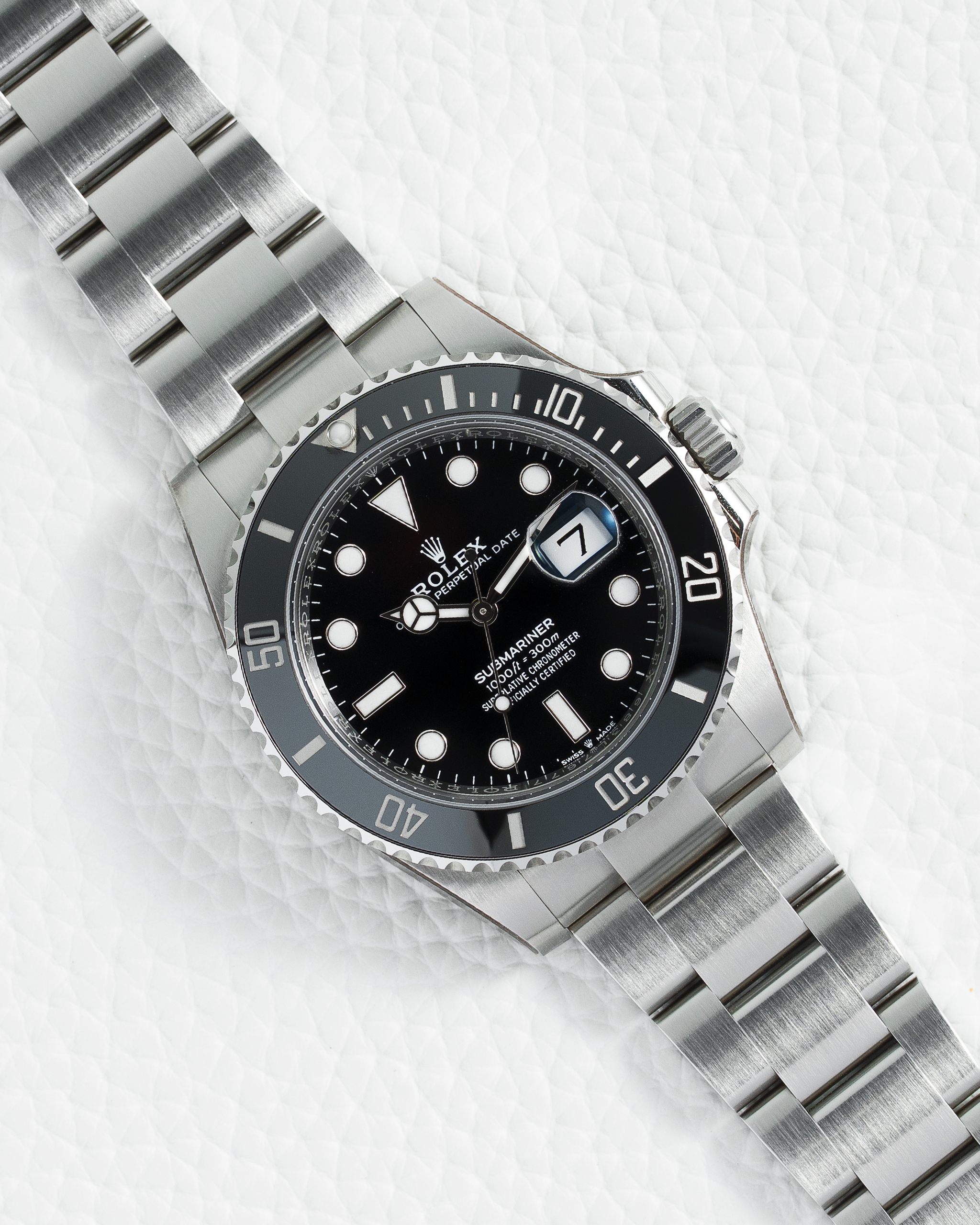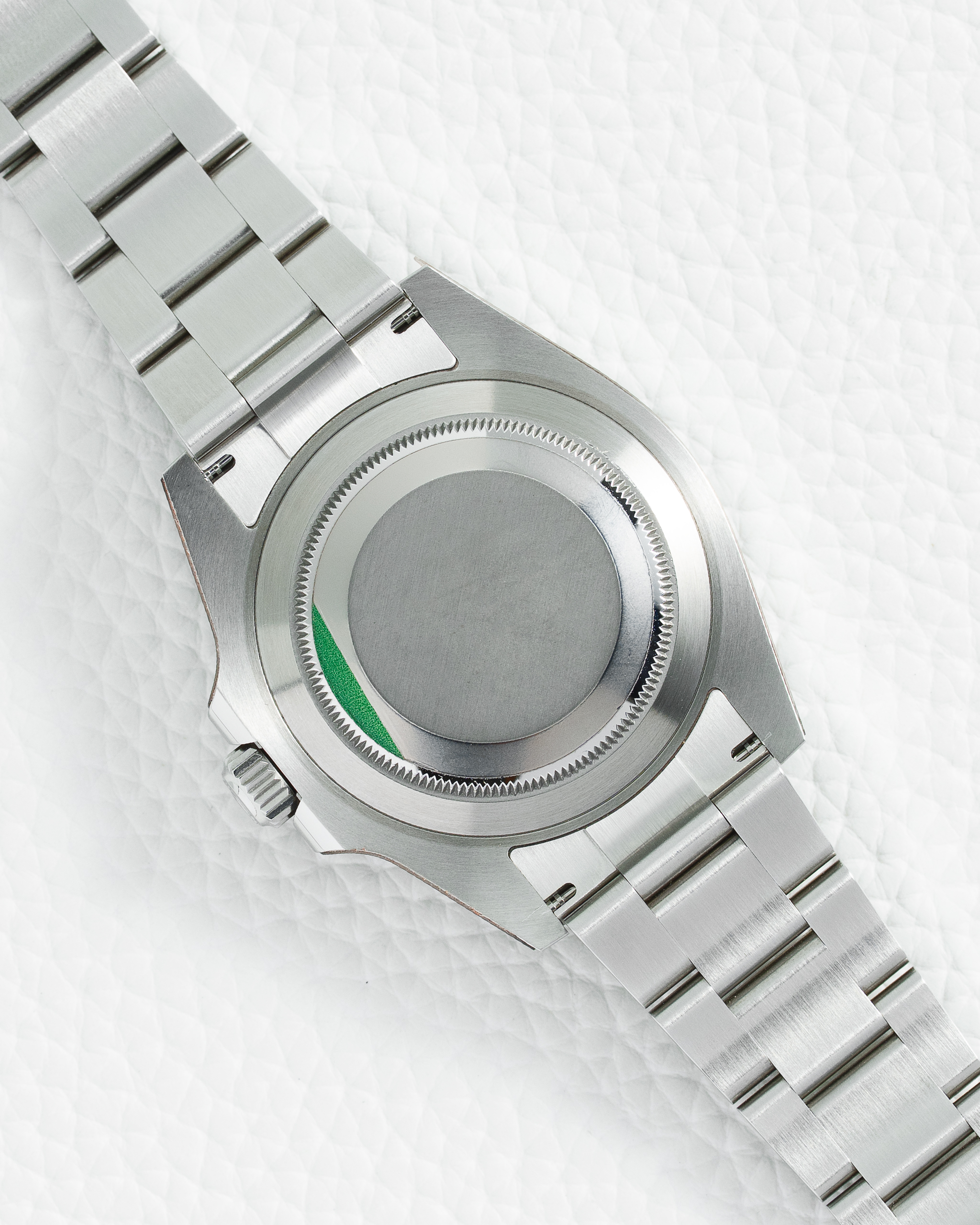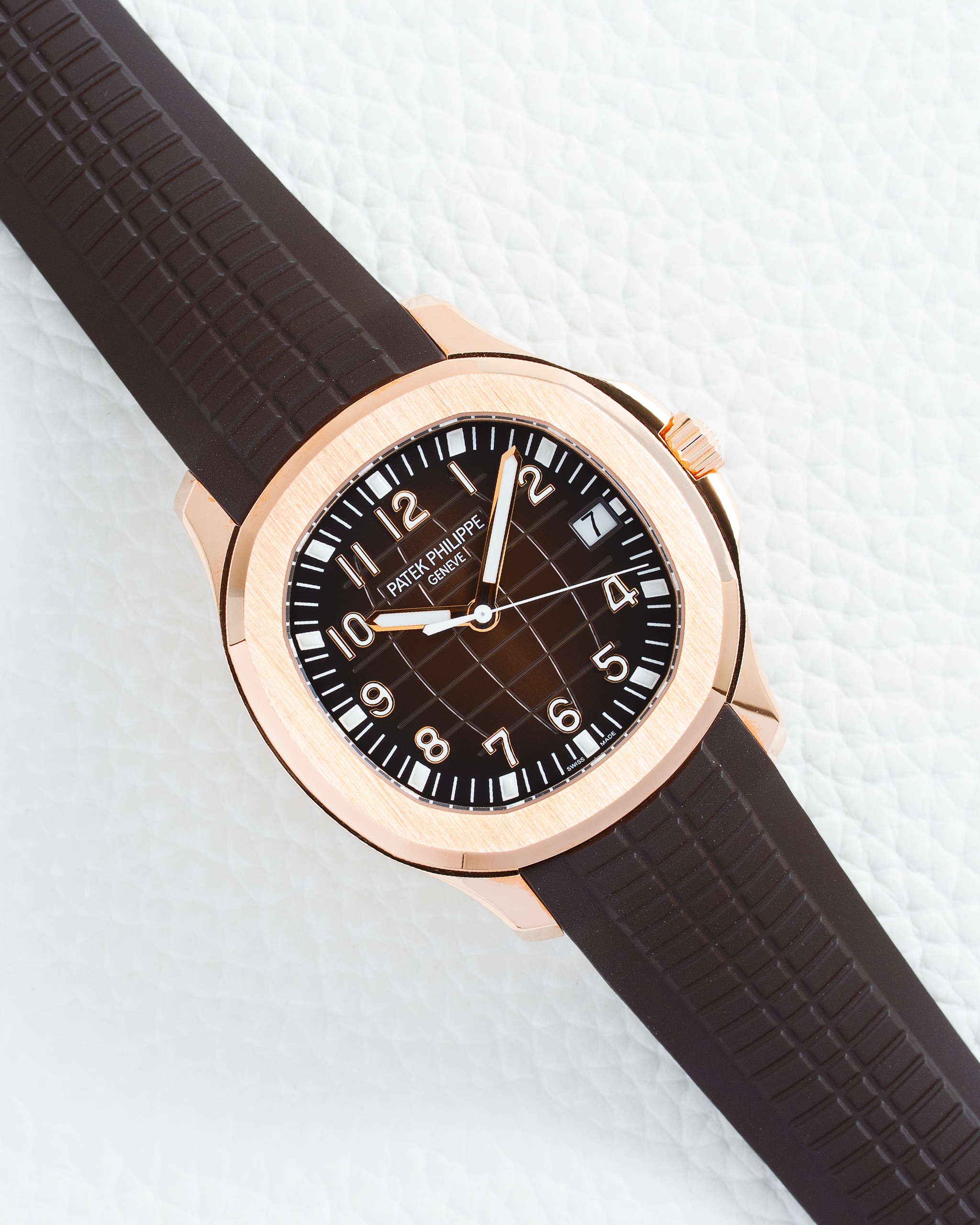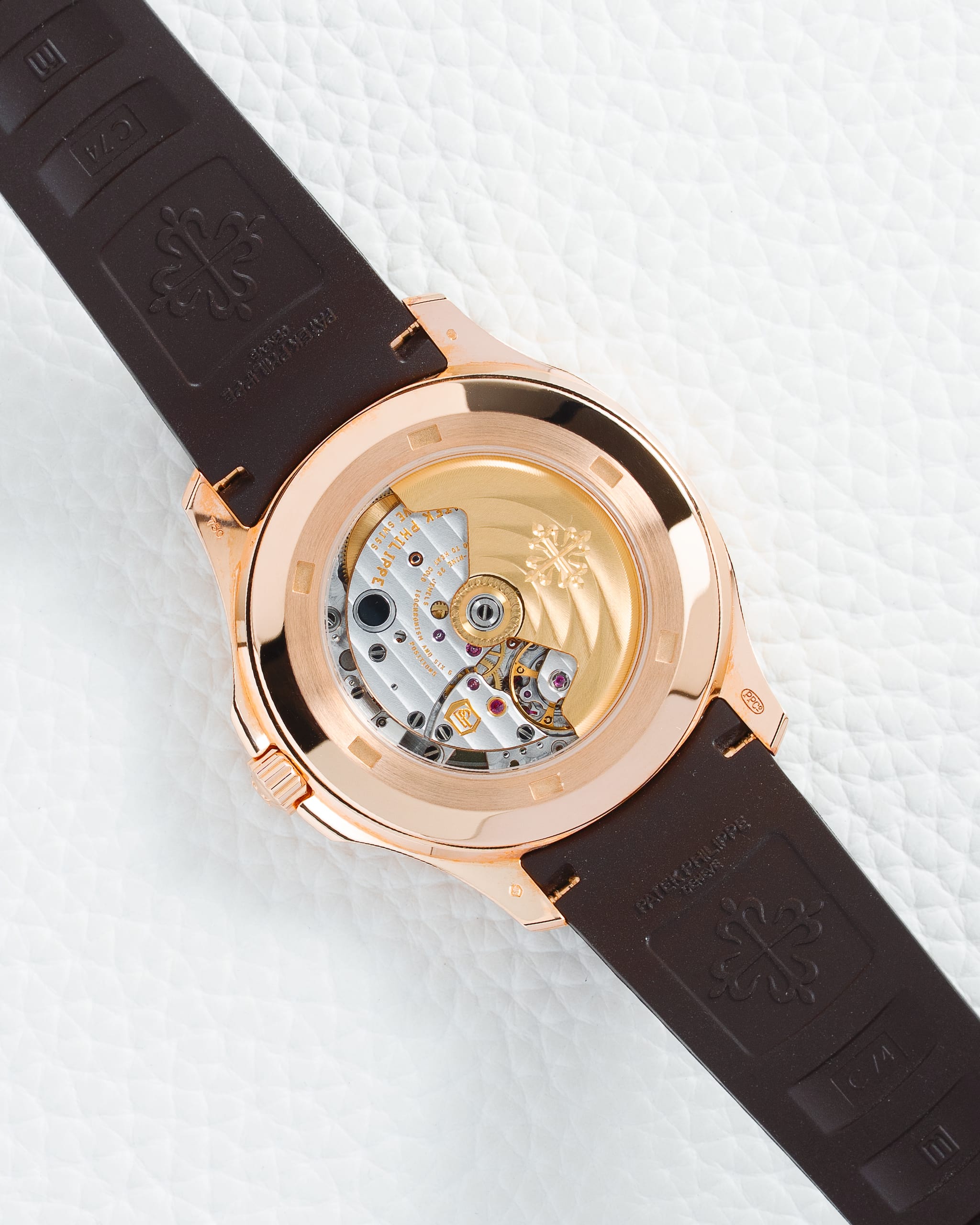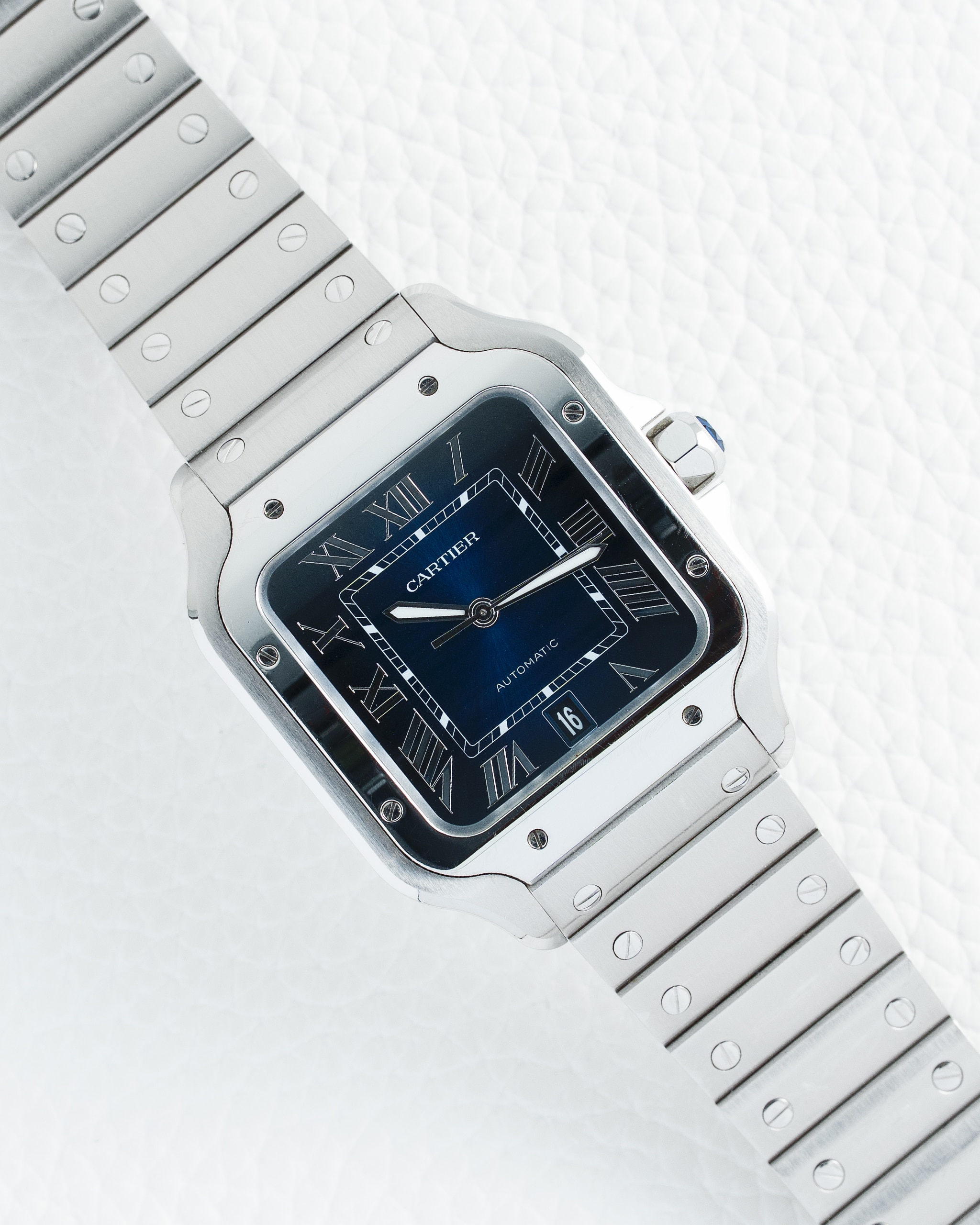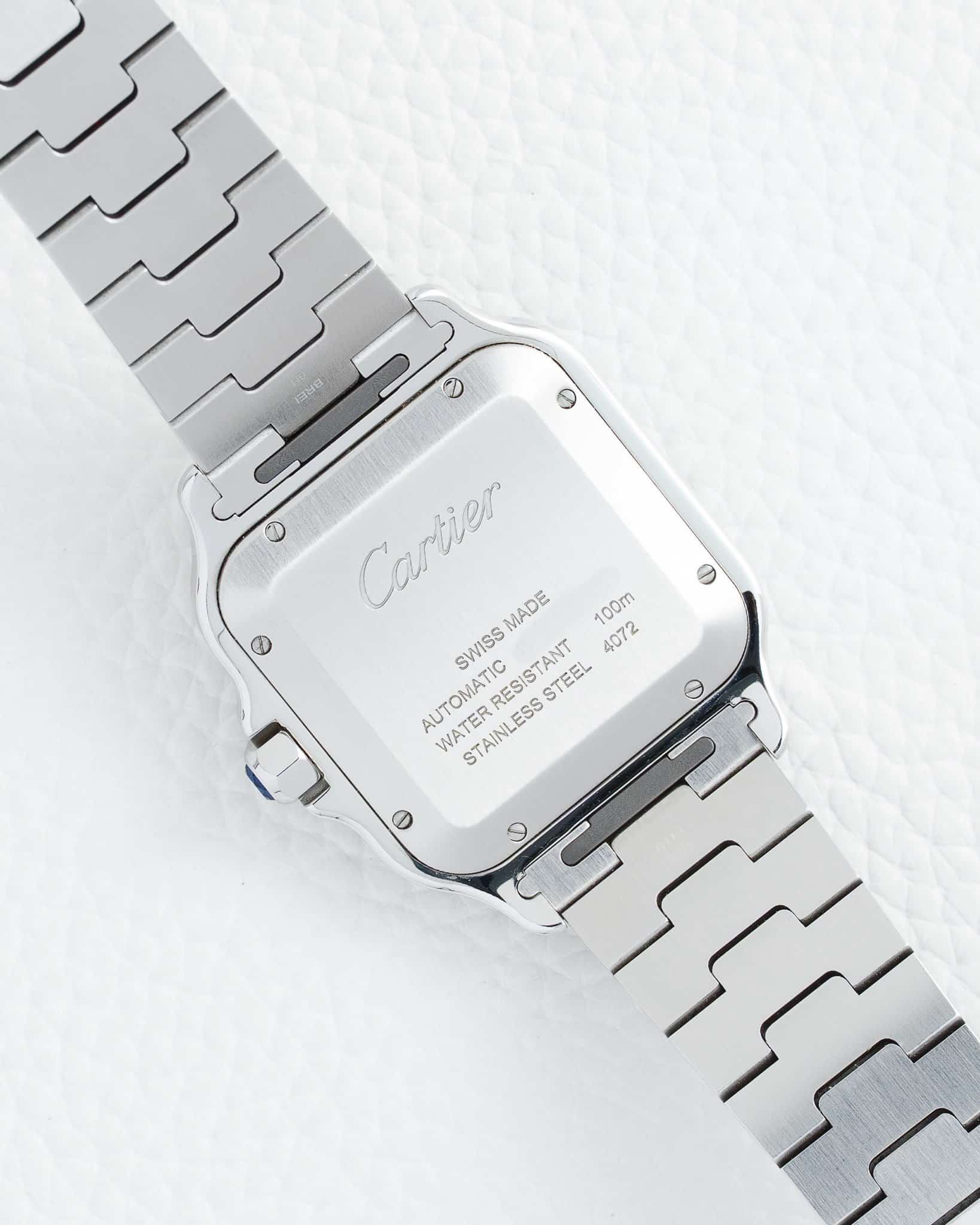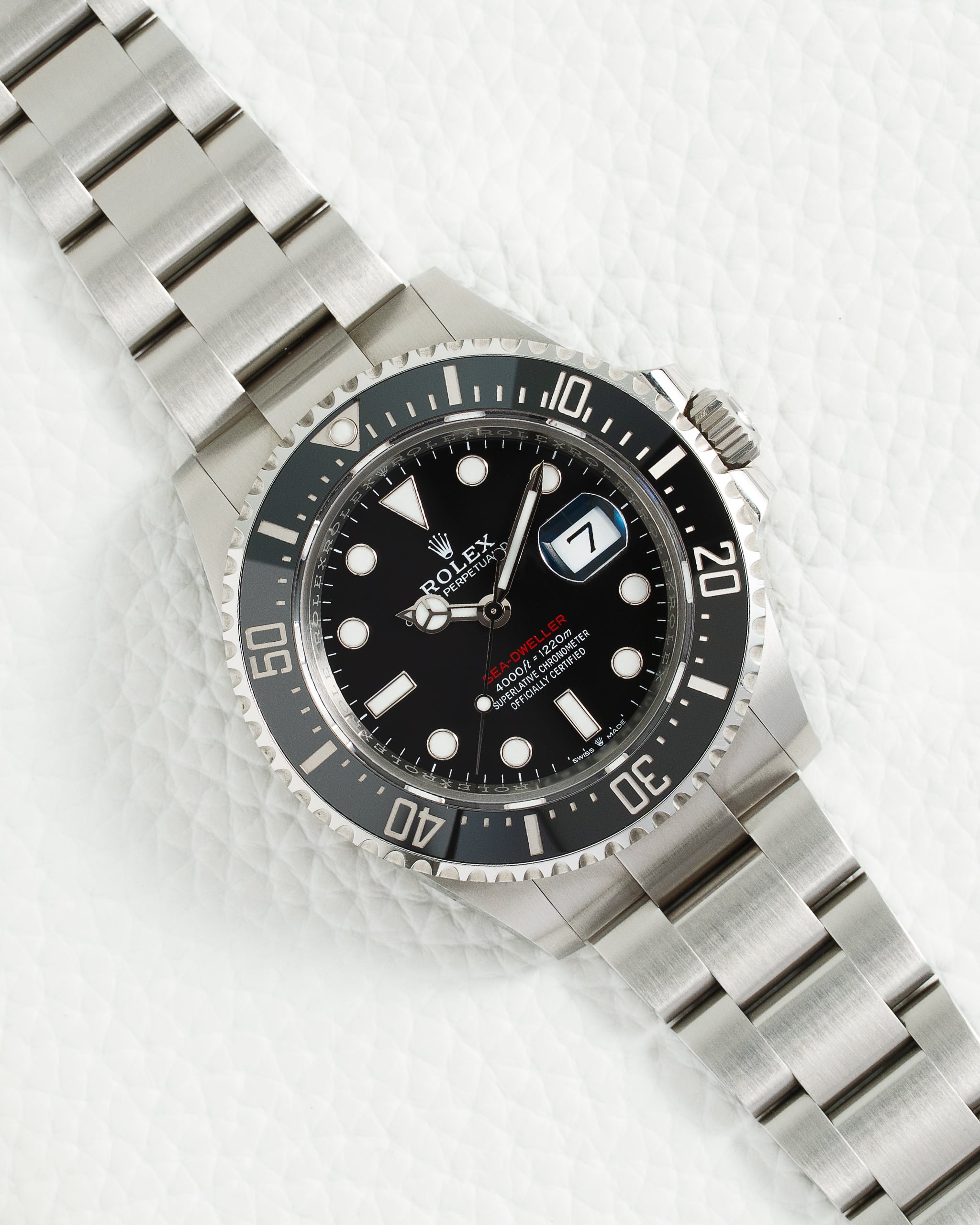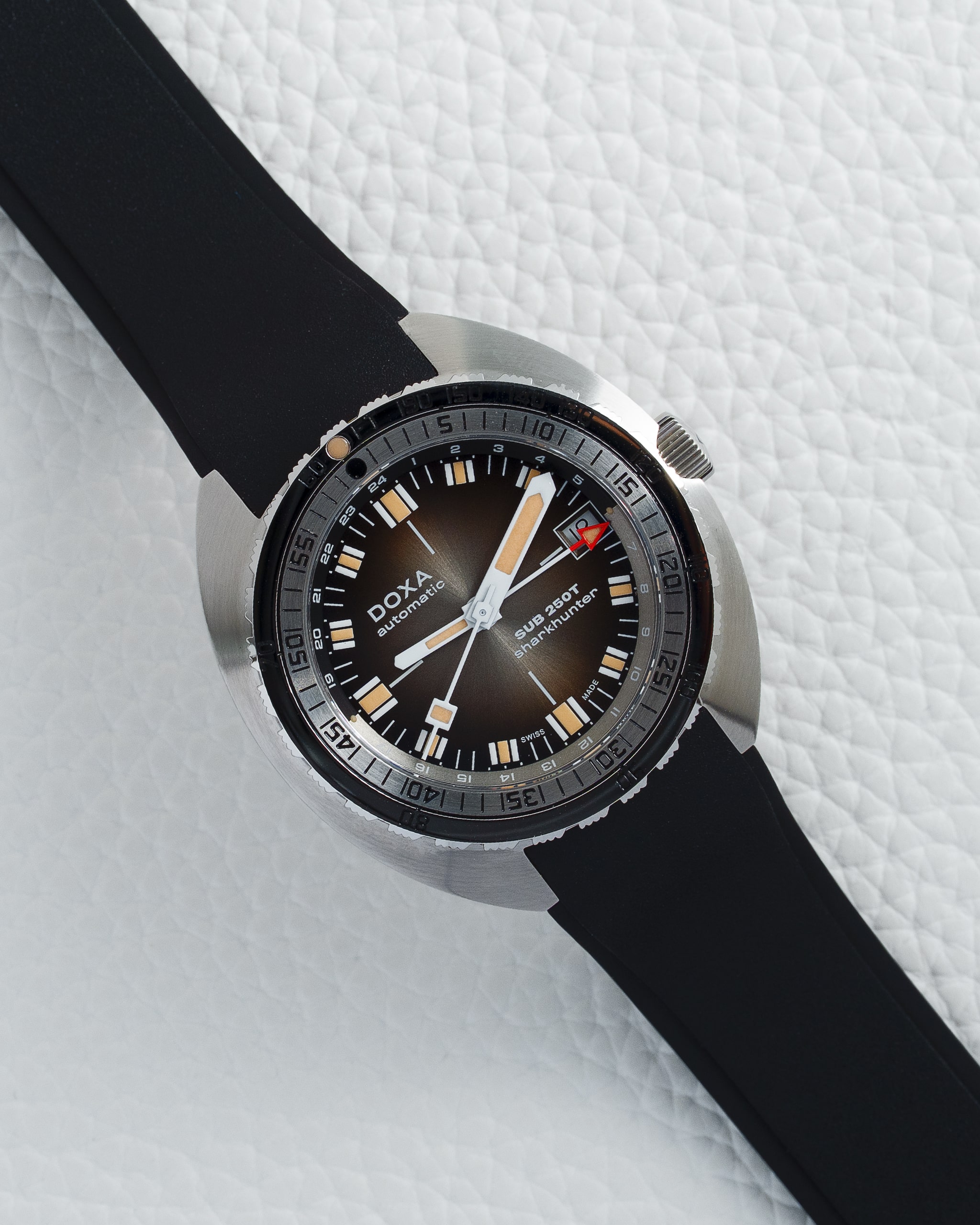
When you’re a watch collector, there’s more to purchasing a rare watch than simply finding models that very few people own. Several factors affect whether a watch is authentically rare and valuable, including its historical significance, production numbers, technology and construction, and even the collectors’ market and prices.
If you’re in the market for a rare watch, but you’re unsure of the ideal purchasing parameters for that authentic ‘rare’ purchase, here’s what you need to know:
Start with Production Numbers
The most obvious measure of a watch’s rarity is how many were originally produced. As a general rule, a watch produced alongside 49 others is inherently scarcer than one produced with 49,999 others. In saying that, you don’t get the whole story from those numbers alone. You also need to consider why that watch is produced in the numbers it is:
- Limited edition, which means that production has deliberately been capped
- Short production runs, with watches discontinued after a short time
- Low-volume references, which means they aren’t marketed as limited, but they’re produced in small numbers
- Prototype and pre-production watches
- Special commission timepieces made for specific events, organizations, retailers, or clients – e.g., the Daytona ‘Le Mans’ Ref. 126529LN made by Rolex to celebrate the 100th anniversary of the Le Mans race.
As a collector, there’s value in starting your hunt for a rare watch by researching production numbers. For example, you might look at the Richard Mille RM35-02 Rafael Nadal, a watch with just 50 pieces available worldwide, described as the pinnacle of technical innovation.
Research Survival Rates
When researching production numbers, quantities like 5,000, 10,000, and 20,000 won’t always stand out in a list. However, when you start researching survival rates, you may start to realize that the manufacturer’s historical production figure matters less than the number of surviving original examples. A figure like 20,000 turning into 5,000 is bound to grab your attention.
This is most often seen in vintage watches, where several situations and circumstances can greatly affect the number of authentic, high-quality timepieces left in production, including:
- Loss
- Mechanical failures
- Heavy polishing
- Replacement parts
- Modifications
- Destruction
Look At Configurations
Sometimes, it’s not the watch model as a whole that’s rare; it’s the configuration. For example, a watch may have been produced with a range of dial colors, but one color might have been produced in far fewer numbers than the others.
Therefore, the watch isn’t scarce, but that model with a particular configuration is, making it desirable to collectors who seek out that point of difference. A great example of this is the Patek Philippe Neptune 5080. While the watch itself isn’t uncommon, the salmon dial and integrated steel bracelet aren’t readily available and are, therefore, highly sought after in the collector’s community.
When reviewing different watch models and manufacturers, such as Rolex, Patek Philippe, and Richard Mille, don’t rule out any model as not worth your time just because its production numbers are high. Look at whether any of those models or brands produced watches with multiple cases, dials, movements, bracelets, or bezels that make them more interesting than standard.
Consider Rarity and Originality Together
When you’re on the hunt for a rare watch, it’s easy to assume that any watch with a low production number ticks all the boxes for rarity and value. However, condition changes everything. A watch that has been refinished or uses replacement parts can have low collector appeal. Therefore, an extremely scarce watch that has lost many of its most defining features can actually end up being less desirable than a less scarce watch that has been entirely preserved.
Before purchasing a rare watch, always consider:
- If the dial is preserved and untouched
- Original hands
- Correct movement
- The original bezel
- Matching components
- Documentation
Don’t Forget Historical Significance
Some watches are desirable both because they were produced in small numbers and because they are associated with something of great significance, such as:
- A historical event
- A pioneering technical development
- Military use
- A significant watchmaker
- An influential design
- A major moment in the brand’s history
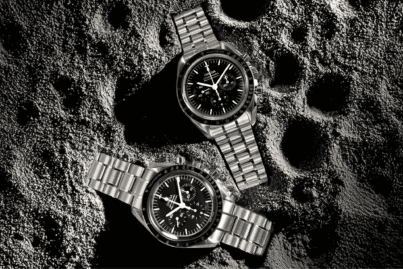
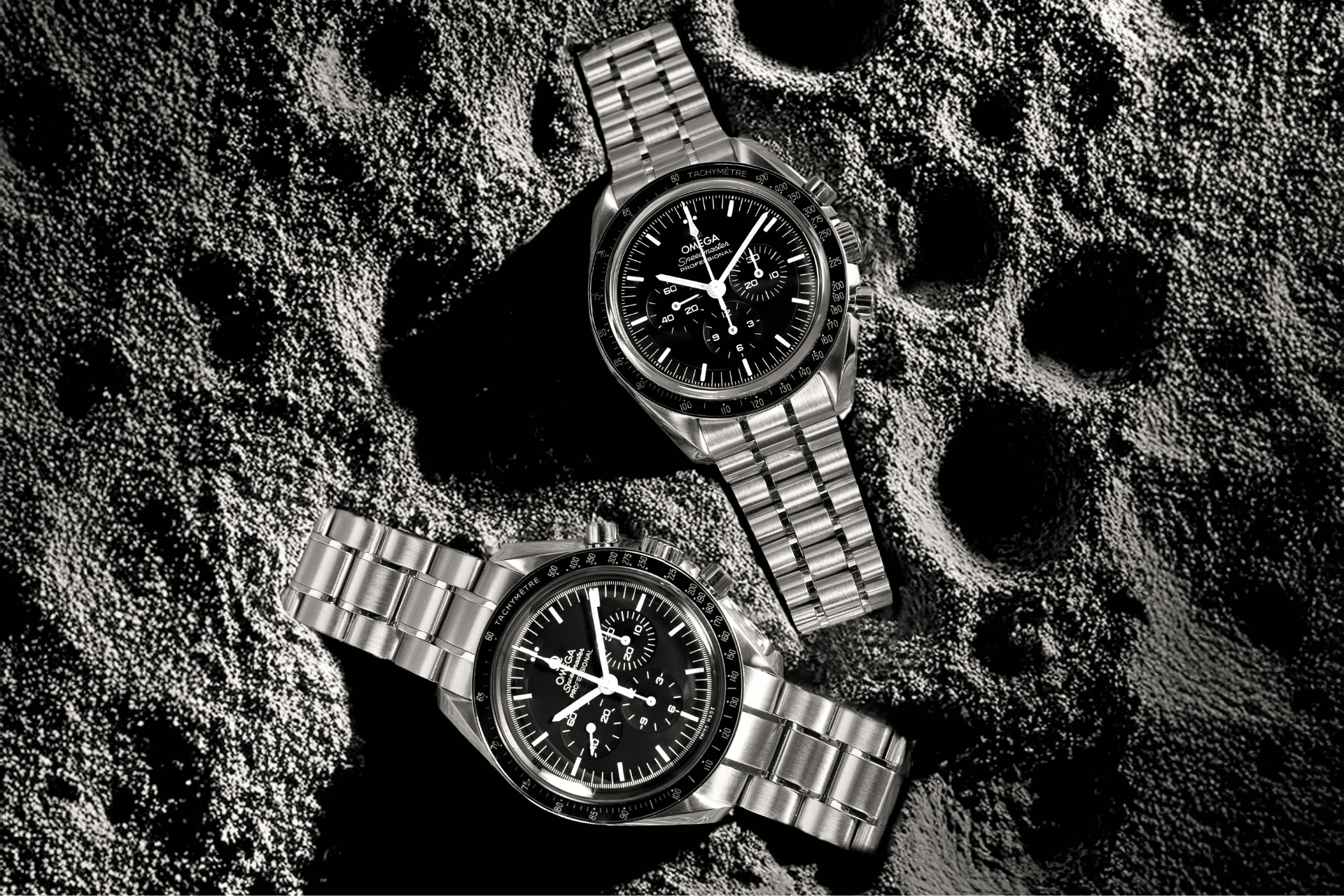
For example, the Omega Speedmaster Professional became desirable because Buzz Aldrin wore one during humanity’s first lunar walk. The Rolex GMT-Master Ref. 6542 is also valuable to collectors because it was developed in collaboration with Pan American World Airways to help pilots navigate multiple time zones. It marked the dawn of commercial jet-set travel in the 1950s.
Think About Demand
A watch can be rare, but that doesn’t mean collectors want it. Demand plays a major role in a watch’s desirability and value.
For example, there might be 10 examples of a watch known to exist, but almost nobody wants them. Alternatively, 500 examples of a watch could exist, but thousands of collectors want them. The second watch commands far more attention and could potentially fetch a higher price.
It’s Not ‘What’ But ‘Who’…
Sometimes, it’s not who made the watch, how many were made, or how many are still in circulation. It’s about provenance, or who owned the watch. A watch can certainly become one-of-a-kind, rare, and sought-after if someone well-known, famous, or notable once owned it.
However, the watch must be accompanied by credible evidence, such as:
- The original purchase records
- Photos
- Service documentation
- Correspondence/communication about ownership
- Auction records
Whether It’s the ‘Complete’ Set
A watch on its own can be valuable and rare, but a watch that comes with all of its accessories is even rarer! For example, it can be much harder to find a vintage watch with the following accessories than it is to find the watch on its own:
- The original box
- Papers
- Warranty
- Tags
- Bracelet
- Spare links
- Accessories
Shop Rare Watches at WOLVYN Luxury Timepieces in Dallas-Fort Worth, Texas
Production numbers are just one of several factors that determine a watch’s rarity. Collector demand, condition, provenance, and other factors also come into play. If you’re interested in seeing and learning about a wide variety of rare watches, contact WOLVYN in Dallas-Fort Worth, Texas.
From Rolex, Audemars Piguet, and Patek Philippe to Cartier and Richard Mille, we feature a wide variety of brands and rare timepieces in our catalog. We look forward to helping you choose the perfect rare watch for your collection.