Many of the world’s most admired luxury watches share one thing in common: they were produced by one of the most influential designers of the 20th century, Gérald Genta.
Born Charles Gérald Genta, better known as Gérald Genta, the Swiss watchmaker and artist from Geneva, Switzerland, was one of the greats and has undoubtedly left a mark on the entire watch industry.
Who Was Gérald Genta?
Gérald was simply a young man with a creative spirit and an eye for detail. By age 20, he had completed his jewelry and goldsmith training and had obtained his Swiss federal diploma.
Before long, one of the most prominent watch manufacturers in Europe and the United States, Universal Gèneve SA, had hired him, and he quickly became known for producing the Polerouter, one of its most successful watch collections.
However, Gérald didn’t just restrict his creativity to Universal Gèneve SA. Throughout his many decades in the industry, he worked with some of the industry’s greatest brands, designing watches now considered among the most famous and iconic.
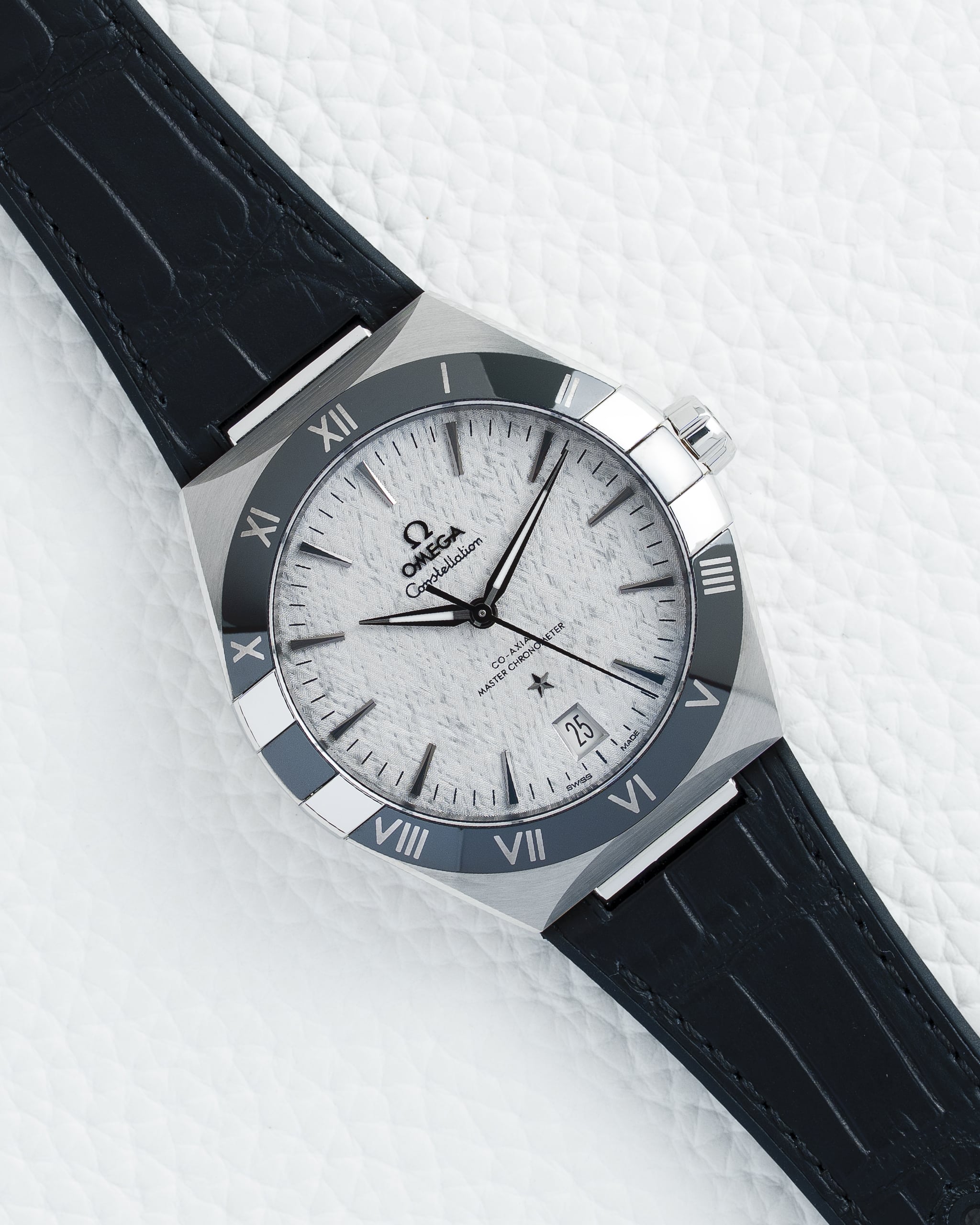
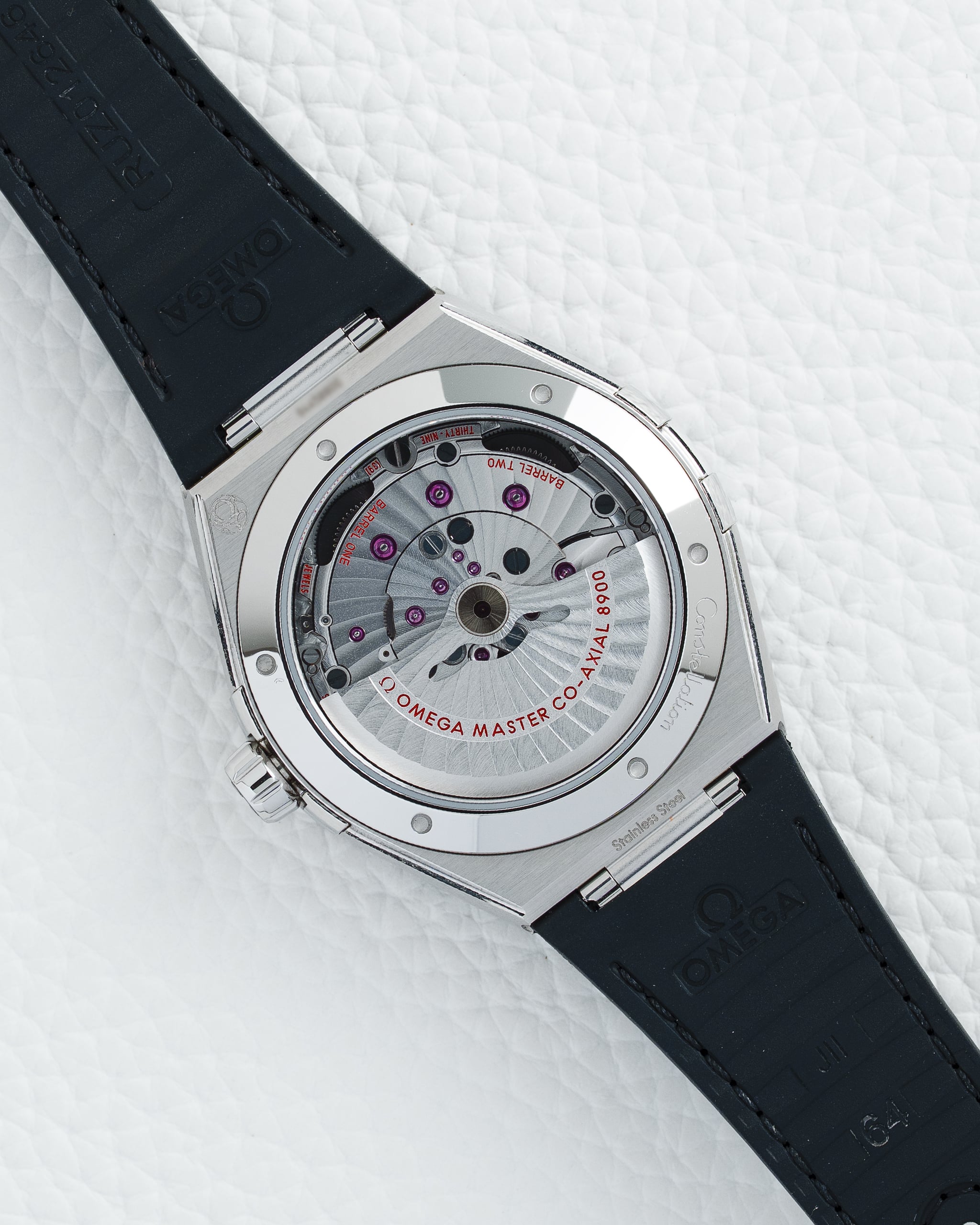
The Constellation Line for Omega
Upon learning of Gérald’s talents, the premier Swiss luxury watchmaker, Omega, approached him and asked him to review and refresh its flagship collection, the Constellation range.
Introducing more architectural designs, he brought it into the space age with the now-famous ‘Pie Pan’ dial and ‘C-shape’ case. The Pie Pan dial was a dramatic, faceted dial with sloped edges, giving it the appearance of an upside-down pie pan. It was paired with angular, geometric hour markers for a modern dress watch look.
To achieve a more architectural, tonneau-like appearance in the Constellation range, Gérald also introduced the Constellation C-type, featuring a case and lugs with continuous flanks that form a C. Thanks to his renewal of this range, it remains a high-ranking collection in the luxury watch industry.
Royal Oak for Audemars Piguet
By the late 1960s and into the early 1970s, Gérald had already created several successful watch designs and was eyeing up opportunities under his own name. He started his own company producing complete wristwatches while continuing to design for other manufacturers.
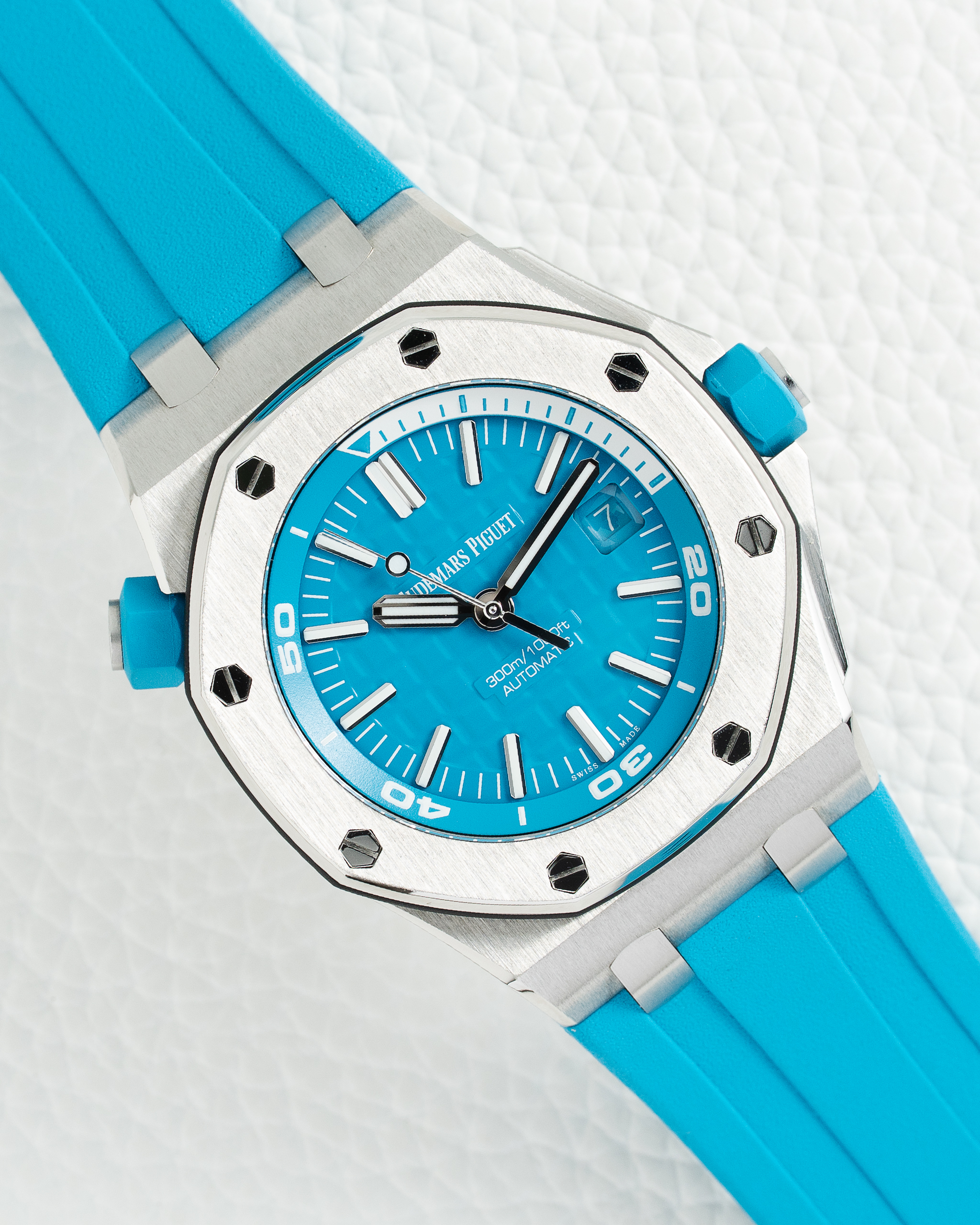
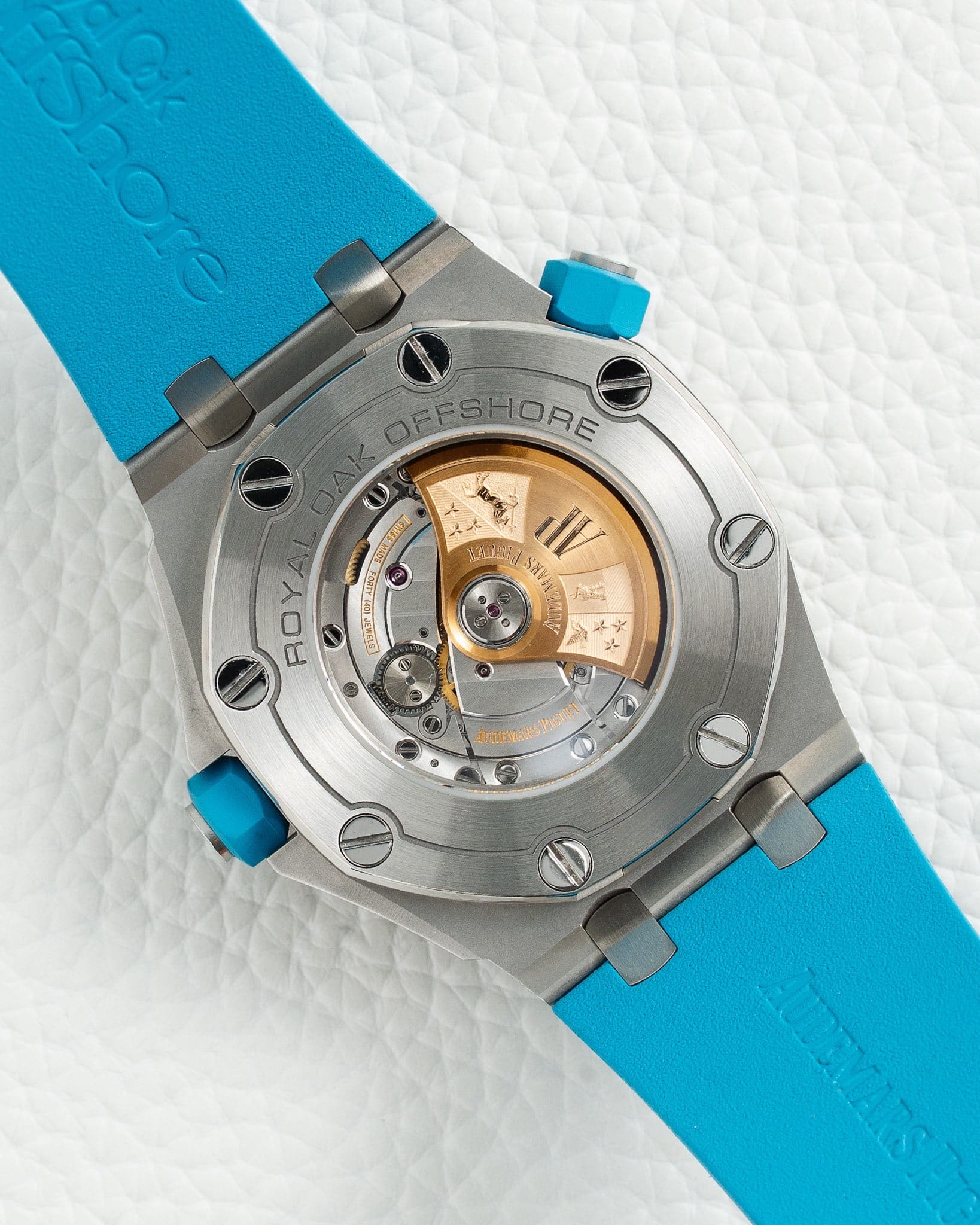
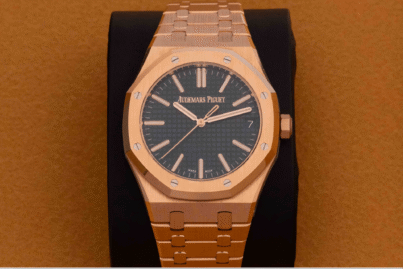
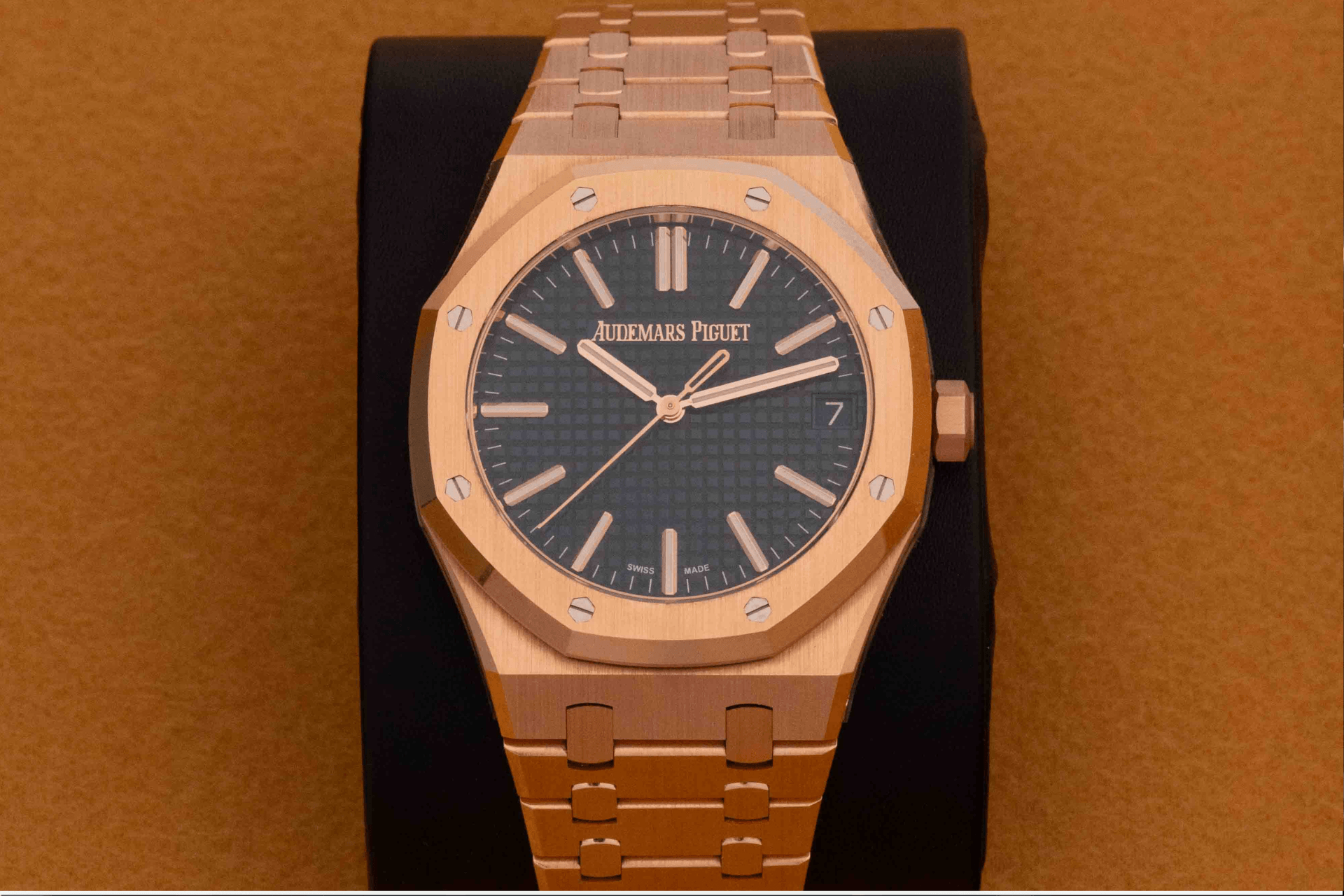
One such manufacturer was Audemars Piguet. Little did he know that the Audemars Piguet Royal Oak watch he produced would become one of his most well-known timepieces.
The Royal Oak, which remains popular with collectors and wearers to this day, was widely regarded as the very first modern stainless-steel, high-luxury sports watch. As the story goes, the Audemars Piguet managing director phoned Gérald and asked him to design a steel sports watch that had never been done before. Not only did it have to be new, but it also needed to be waterproof – and produced by the next morning.
Over the course of a single evening, he sketched out what would soon become the Royal Oak, drawing inspiration from a vintage diving helmet attached to a diving suit with screws. From its octagonal shape to its steel materials, it was truly a revolutionary piece.
King Midas for Rolex
While undoubtedly less appreciated than other Rolex models, the King Midas was an extravagant watch introduced in 1962 that was often described as ahead of its time.
Commissioned as a heavy, all-gold watch with no real obvious Rolex aesthetic, it was inspired by Greek mythology. Its pentagonal case mimicked the roof of the Parthenon, and the winding crown was shaped like the sun. Gérald’s work on this watch helped pioneer the integrated case-and-bracelet design.
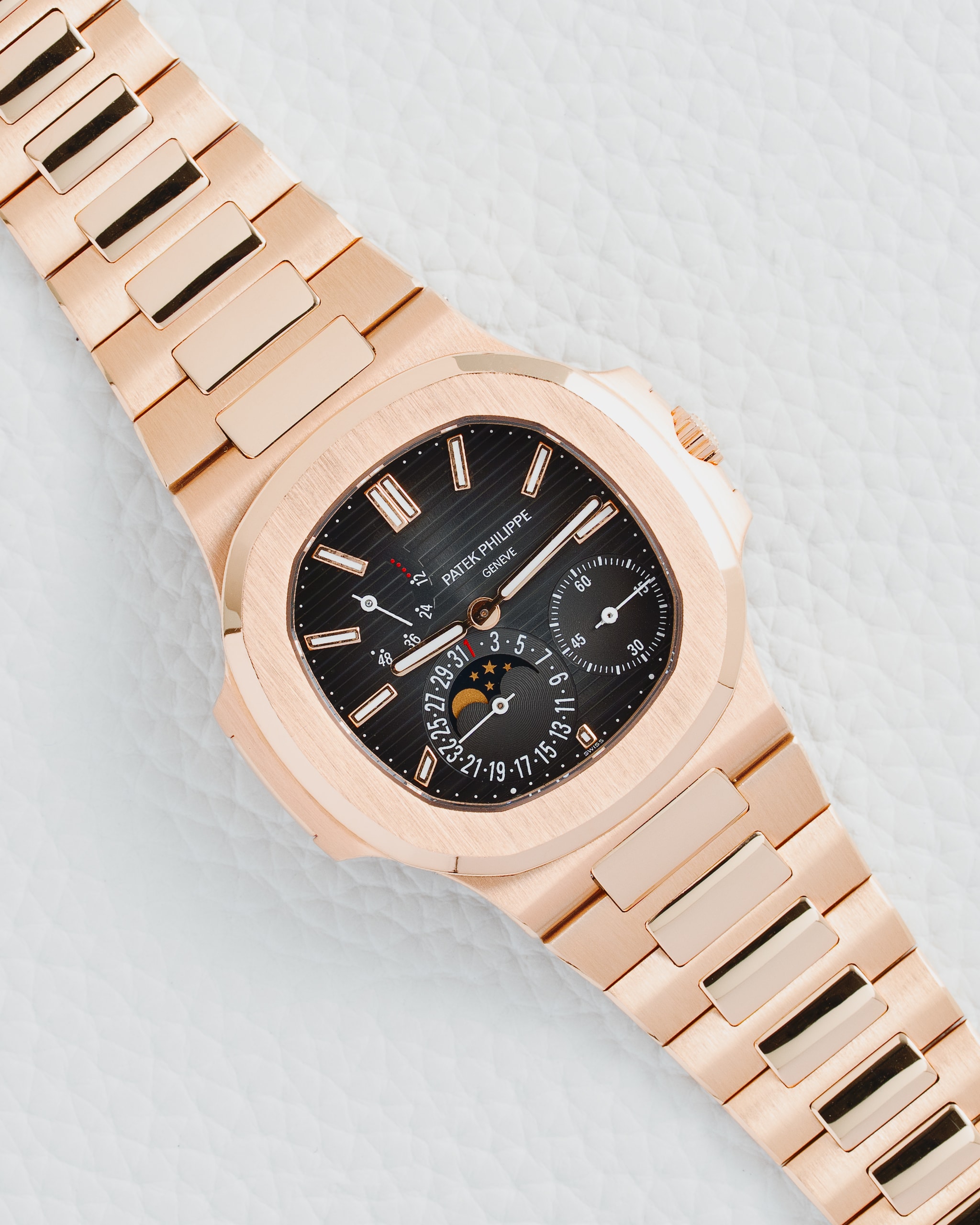
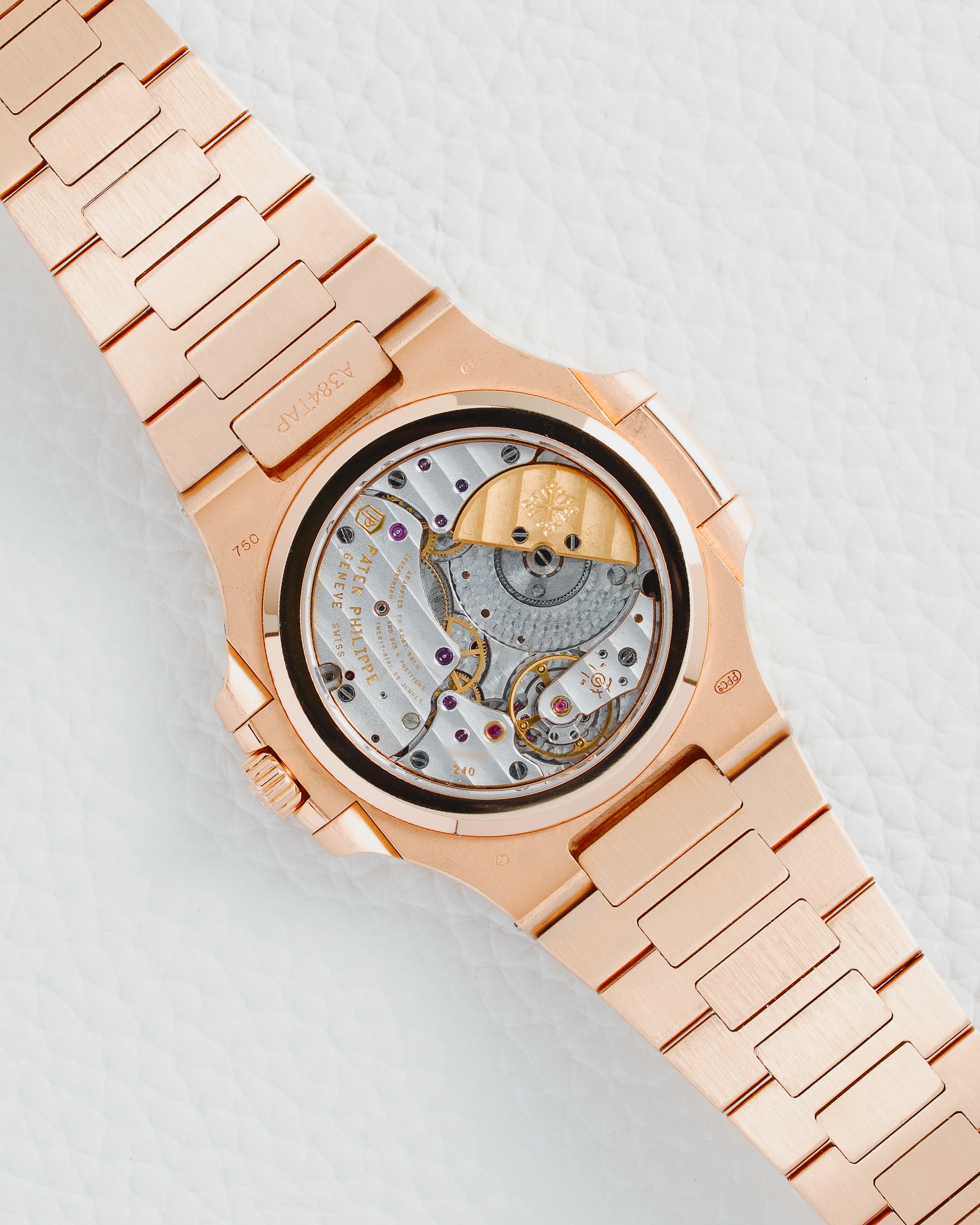
Nautilus for Patek Philippe
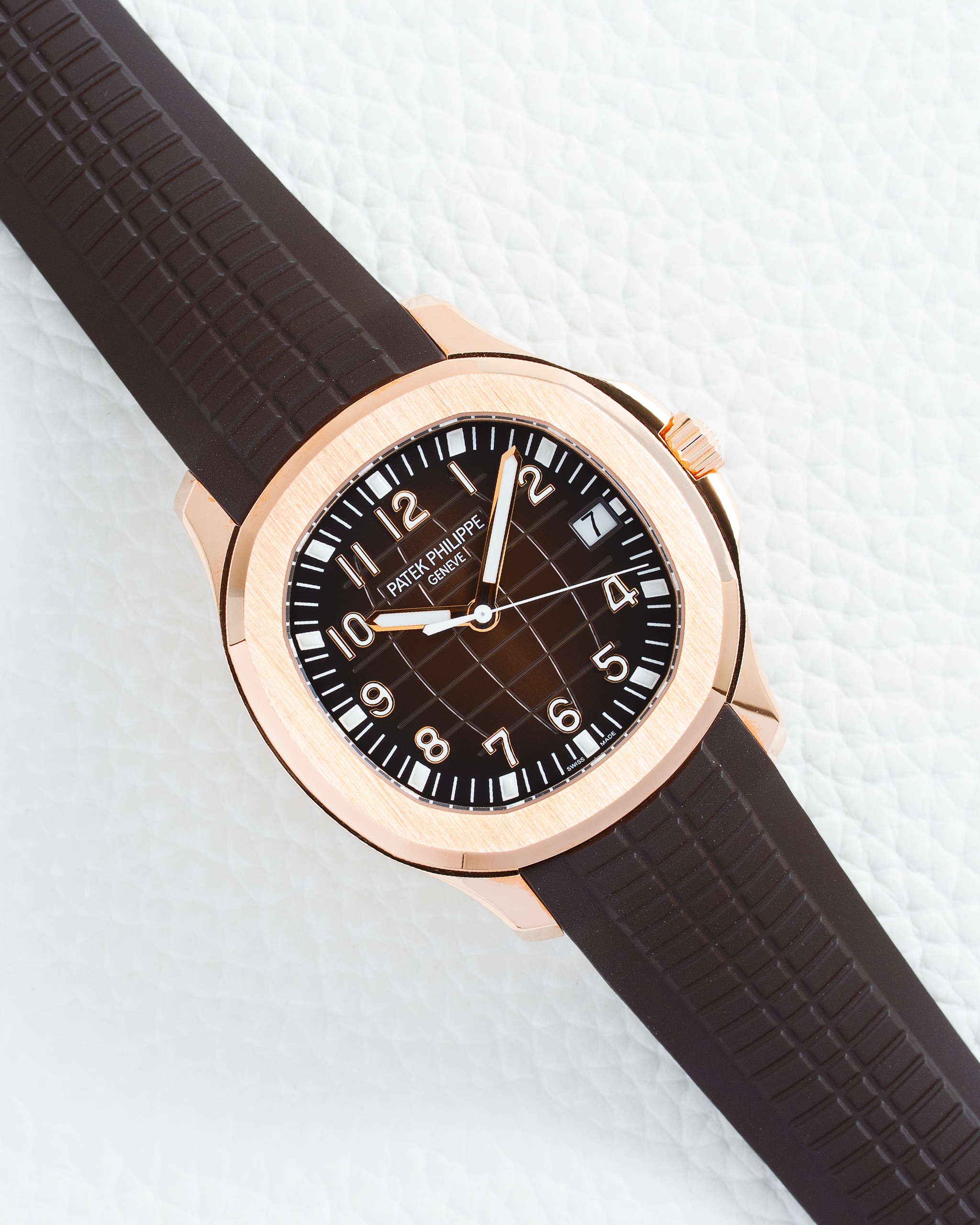
In 1976, Patek Philippe requested a new design inspired by the nautical world. Given Gérald’s undeniable talent, it likely doesn’t surprise anyone to learn that he played a leading role in the Swiss luxury watchmaker’s Nautilus watch’s creation.
While the talented Swiss watchmaker had previously drawn inspiration from a diving helmet for the Royal Oak, he took a different approach for the Nautilus. He was inspired by the portholes on ships and named the watch in tribute to Captain Nemo’s submarine in the novel by Jules Verne called 20,000 Leagues Under the Sea. Rumor has it that he completed the Nautilus’s design on a paper napkin in five minutes while sitting in a restaurant.
Ingenieur SL for IWC Schaffhausen
The sleek and elegant Ingenieur SL by IWC Schauffhausen, which many watch collectors know and love, would not be what it is today without Gérald Genta.
First launched in 1976, the watch featured a bold, integrated design language that truly transformed this luxury sports watch. Gérald introduced the integrated H-link bracelet, a metal bracelet that flowed from the case and tapered at the wrist. He then designed an exposed screw bezel with five spaced functional holes to secure the case. Gérald is also highly regarded for creating the watch’s ‘jumbo’ proportions of 40mm, which were unusually large for the time. While the design has since evolved, even the most recent editions of the IWC Ingenieur have some of Gérald’s flair.
Pasha de Cartier for Cartier
In the early 1980s, you could spot a Cartier watch from a mile away. They had a mostly square and rectangular catalog, and that’s what they were known for. However, Gérald was about to change that.
By the time he was finished, Cartier was the proud manufacturer of the Pasha de Cartier. This bold, waterproof, round-faced sports watch combined the traditional elegance of Cartier with a sporty, masculine edge.
The Pasha de Cartier was a true statement, with Gérald introducing many key design elements that thrust this timepiece into the spotlight:
- A bold round case, typically in yellow gold
- A chained crown cap for water resistance
- Vendome lugs that attach the strap to the case
- A ‘square within a circle’ dial with oversized Arabic numerals
Gérald Genta Designs Continue to Shape Modern Luxury Watchmaking and Collector Demand
Gérald Genta died in 2011 at the age of 80. While he is no longer here to design some of the most prominent watches in the industry, he has undoubtedly left his mark. In fact, even in death, his designs continue to shape modern watchmaking and collector demand.
The ‘Blueprint’ for Luxury Sports Watches
Before Gérald entered the luxury watch industry, ‘luxury’ watches never strayed too far from thin, precious metal dress watches. He proved that luxury could mean whatever you wanted it to mean.
For example, the Audemars Piguet Royal Oak (1972) introduced the world to the concept of a high-end stainless steel watch, while the Patek Philippe Nautilus (1976) showed that even elements of a ship, such as a porthole design, could elevate an otherwise rugged sports watch.
Impact on Collector Demand
Some watch collectors follow specific manufacturers and add their timepieces to their collections, such as Rolex and Richard Mille. Yet, others are more interested in specific watch designers. Out of all watch designers to follow, Gérald Genta is certainly one of the more highly regarded ones.
The secondary market for original Gérald Genta designs has skyrocketed. For example, his personal Audemars Piguet Royal Oak sold at auction for $2.1 million.
Shop Watches By a True Industry Icon
Gérald Genta didn’t just design watches. He altered the entire industry’s design language. Now, everyday watch lovers, wearers, and collectors alike get to benefit.
Whether you’re looking for a Royal Oak that sets your heart aflutter or a Nautilus that boasts everyday wearability, you’ll find Gérald Genta-designed watches available at WOLVYN Luxury Timepieces in Dallas-Fort Worth, Texas. We look forward to sharing more about a man we believe helped establish the blueprint for contemporary horology.